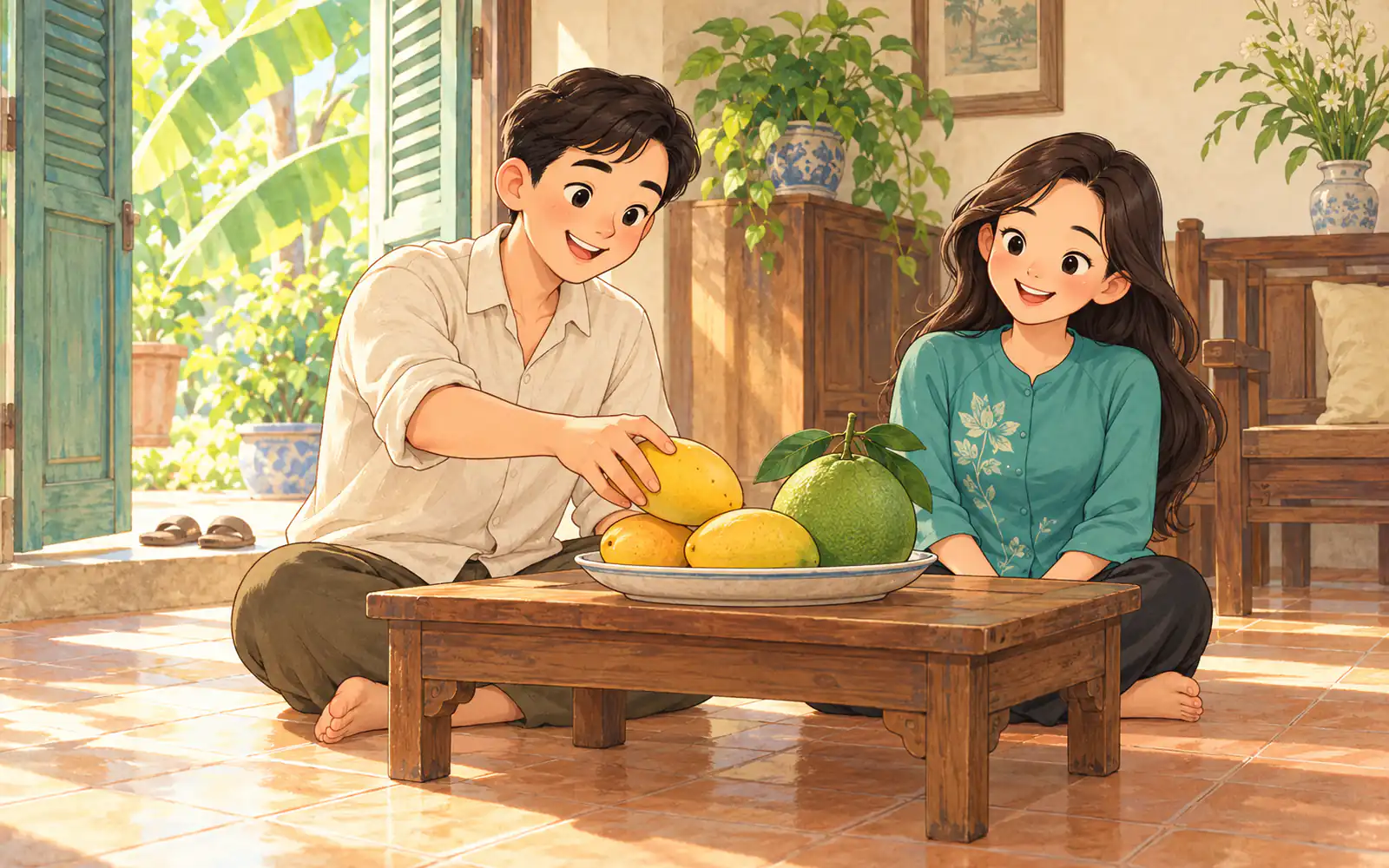
Key takeaway
In Southern Vietnam, families often call the firstborn child Hai ("two")—as in anh Hai or chị Hai—and count younger siblings from Ba ("three"), Tư ("four"), and Năm ("five") down to Út for the youngest, whereas Northern families call the firstborn anh Cả or chị Cả. Several historical and folk theories try to explain why Southern sibling order skips "one," and none is proven.
In Southern Vietnam, families often call the firstborn child Hai ("two")—as in anh Hai for an eldest brother or chị Hai for an eldest sister—and count the next children from Ba ("three") onward. Several folk explanations and historical theories have been suggested for why Southern sibling order skips "one," but none has been established as the cause of this naming custom.
| Birth rank | Northern Vietnam | Southern Vietnam | Southern rank word |
|---|---|---|---|
| Firstborn (eldest) | con cả, con đầu lòng, con trưởng; anh/chị Cả | con đầu lòng; anh/chị Hai | Hai ("two", first rank) |
| Second child | anh Hai/chị Hai | anh Ba/chị Ba | Ba ("three") |
| Youngest (last-born) | con út, em út | con út, em/anh/chị Út | Út (last-born child) |
What does "anh Hai" or "chị Hai" mean in Southern Vietnam?
In Northern Vietnam, the firstborn child is called anh Cả or chị Cả, while the second child is anh Hai or chị Hai (VnExpress, 2025). In standard dictionaries, cả marks the highest or eldest rank first in its category (con cả, anh cả), and trưởng also denotes the firstborn child (con đầu lòng), as documented in Hoàng Phê's Từ điển tiếng Việt (2003).
In the South, although hai is the cardinal number after một ("one"), Hoàng Phê's Từ điển tiếng Việt notes that in regional usage, Hai in kinship phrases (Anh Hai, Bác Hai) means the oldest person first in a generation, equivalent to cả. Compare other regional pairs in Northern vs Southern Vietnamese.
In Từ điển từ ngữ Nam Bộ (2007), linguist Huỳnh Công Tín defines Southern anh hai as the eldest brother (anh cả, anh trai trưởng), followed in birth order by ba ("three"), tư ("four"), and năm ("five"): "Nhà tôi có cả thảy năm anh em, anh hai, chị ba, anh tư, anh năm và tôi." Even if a firstborn chị hai dies young, the next sibling stays anh ba by birth rank while serving as the eldest surviving brother (anh lớn).
Why is the eldest child called "Two" in the South? Theories and folk explanations
No theory for why Southern families start at Hai is proven. Each explanation is a folk story or theory; what is firm is the everyday usage itself; later accounts also report Hai, Ba, and Tư as names for 18th-century figures.
| Explanation or theory | Who reports it | How sure it is | Core idea |
|---|---|---|---|
| Filial piety and migration (đạo hiếu) | VUSTA (2007, citing Dân tộc & Thời đại) | Unproven theory | The eldest son (con trưởng) stayed to tend parents and hương hỏa land; migrants south were second children (thứ hai). |
| Reserving anh Cả for the North | VnExpress (2025) | Common folk explanation | Settlers reserved anh Cả in memory of relatives left in the North. |
| Respect for Lord Nguyễn Hoàng | Dr. Nguyễn Thị Hậu (2017) | Folk-historical theory | Lord Nguyễn Hoàng (1525–1613), who opened the southward expansion, was Nguyễn Kim's second son. |
| Avoiding the title Hương Cả | Bình Nguyên Lộc in Đò dọc (Trần Minh Hậu, 2026) | Literary theory | Villagers avoided offending the official titled Hương Cả by calling a child thằng cả. |
| Taboo on Prince Cảnh | Reported and disputed by VUSTA (2007) | Disputed folk theory | Claims taboo for Prince Cảnh; disputed as children were named Cảnh, Ánh, Long. |
| Fear of tigers (sợ cọp) and a jinx | Family story recorded by VUSTA (2007, An Giang) | Local family story | After Nguyễn Văn Núi's eldest son (con cả) was killed by a tiger, villagers counted from thứ hai to thứ út. |
Migration and homeland theories tie the habit to early settlement. A study published by VUSTA (2007), citing Dân tộc & Thời đại, proposes that under filial piety (đạo hiếu), the firstborn son (con trưởng) stayed behind to care for parents and hương hỏa land, making second children (thứ hai) the leading siblings among southward migrants, while VnExpress (2025) reports as a common explanation that settlers reserved anh Cả in memory of relatives in the North. Other writers point to historical figures or village titles: archaeologist Dr. Nguyễn Thị Hậu (2017) notes the folk theory honoring Lord Nguyễn Hoàng, documented by the Vietnam National Museum of History (2016) as Nguyễn Kim's second son (con trai thứ hai). In a 2026 dissertation at Văn Hiến University, Trần Minh Hậu examines writer Bình Nguyên Lộc's proposal in Đò dọc that villagers avoided calling a child thằng cả before the official titled Hương Cả, head of the French-era Southern village council (đứng đầu ban hội tề) above hương chủ.
One folk theory claims Southerners avoided con cả out of taboo for Gia Long's eldest son, Prince Cảnh. VUSTA disputes that explanation as forced, noting that Southerners named children Cảnh, Ánh, and Long. A family story recorded by VUSTA from Cù lao Riêng, An Giang, attributes the custom to fear of tigers (sợ cọp) and a jinx (sợ có huông) after settler Nguyễn Văn Núi's eldest son (con cả) was killed by a tiger. Lê Văn Lan (2016) records the 18th-century names Anh Hai Trầu (Nguyễn Nhạc), Chú Ba Thơm or Ba Bình (Nguyễn Huệ), and Thầy Tư Lữ (Nguyễn Lữ). His article also describes disagreement over which younger brother was born second. These names show early Hai/Ba/Tư usage, but do not establish why it began.
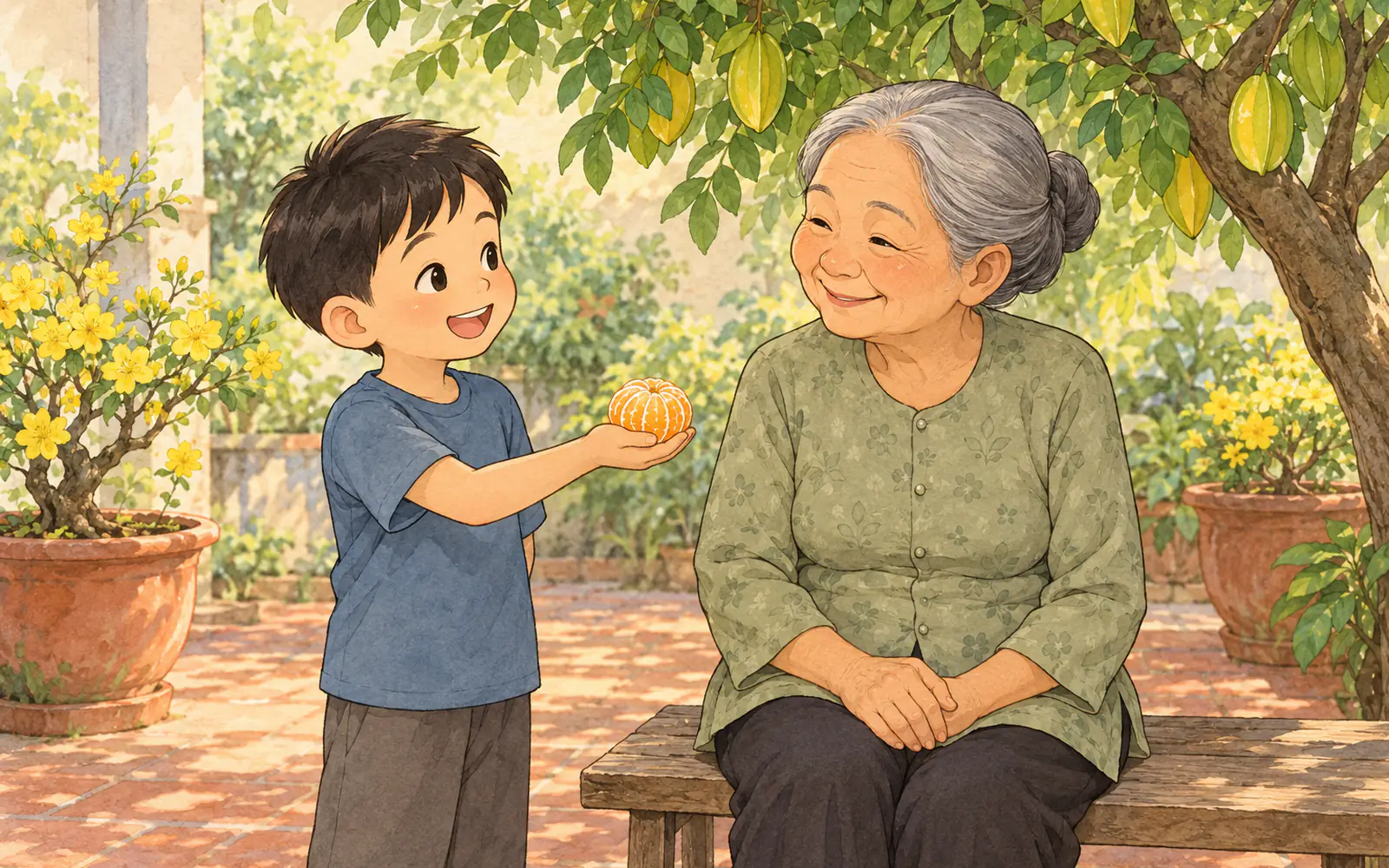
How birth-order address works in a family and with strangers in the South
Huỳnh Công Tín documents that Southern speakers habitually combine birth-order ranks—hai, ba, bốn, tư, năm, sáu, út—with a given name or kinship word in the family and in society; compare other household words in Vietnamese family words by region. In Vietnamese, tư replaces bốn ("four") after nouns for the fourth ordinal position (đứng thứ tư), giving anh/chị/chú/cô Tư for the third child, while út (con út, em út) marks the youngest child.
Neutral pronouns like tôi are rare among relatives; as Nguyễn Thị Ngân (2024) notes, kinship terms (anh, chị, em, chú, cô, bác) are used inside the family and extend to strangers by age and gender; see Vietnamese kinship terms for addressing strangers and how to address Vietnamese names. Outside the family in the South, Huỳnh Công Tín also documents anh hai and chị hai as a polite, appreciative address to an interlocutor.
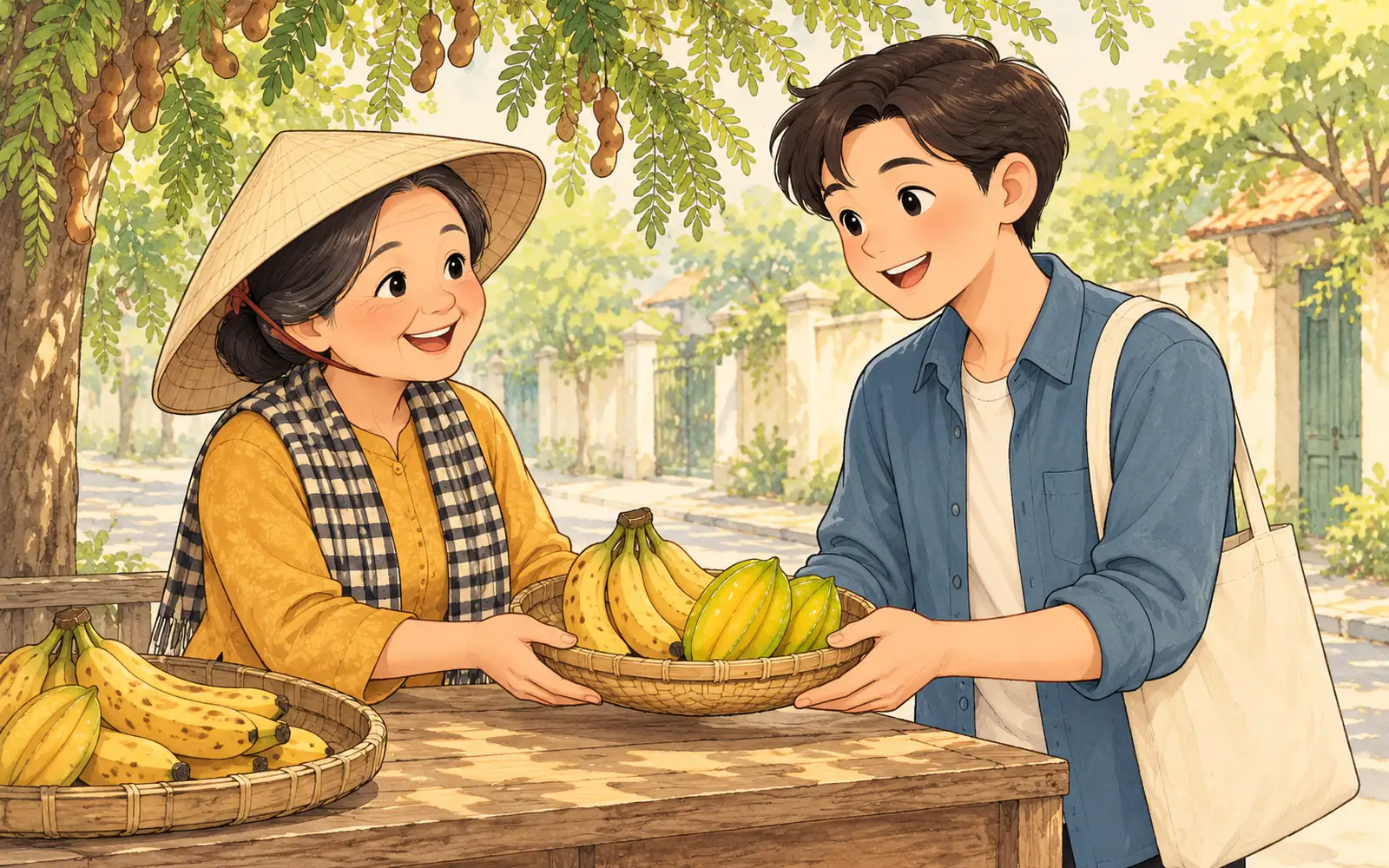
How to use "anh Hai", "chị Hai", "Ba", "Tư", and "Út" as a learner
Reuse whatever rank and name combination a Southern family introduces (anh Hai, chị Ba, chú Tư) without guessing ranks yourself. Practice Tư for the fourth rank (third child), noting that Huỳnh Công Tín also lists bốn in everyday usage so nobody must use one form exclusively. With strangers, plain kinship words (anh, chị, em, cô, chú) work everywhere; to choose your dialect track, read Hà Nội vs Sài Gòn: which Vietnamese to learn.
| Term | Family meaning | Social meaning | Learner tip |
|---|---|---|---|
| anh/chị Hai | Firstborn sibling | Polite address to an interlocutor | Use for the eldest; take as a warm greeting. |
| anh/chị Ba | Second-born sibling | Kinship word or rank + name | Ba ("three") is the second child. |
| anh/chị Tư | Third-born sibling | Kinship word or rank + name | Learn Tư for four; Bốn also occurs. |
| anh Năm, chị Sáu | Fourth and fifth child | Kinship word or rank + name | Echo the rank number the family uses. |
| em/anh/chị Út | Youngest child (con út) | Use the appropriate kinship word with Út when that is the person’s known family rank | Use Út for the last-born child. |
Key takeaways
- Northern families call the firstborn anh/chị Cả; Southern families call the firstborn anh/chị Hai, followed by Ba, Tư, Năm, and Út.
- No origin theory is proven: ideas include southward migration by second children, reserving anh Cả for the North, honoring Lord Nguyễn Hoàng, avoiding Hương Cả, or a tiger-jinx story.
- The recorded 18th-century names Anh Hai Trầu, Chú Ba Thơm, and Thầy Tư Lữ show early use of these ranks; historians disagree about the younger brothers’ order.
- Southern speakers pair birth-order ranks with kinship terms or names, and use anh/chị hai outside the family as a polite address.
Start practicing Southern and Northern address in real conversations
Curiosity about why Sài Gòn speakers say anh Hai while Hà Nội speakers say anh Cả is a practical reason to start learning. For the South, start with Everyday Southern Vietnamese, Level 00, an interactive textbook course built on lessons from SVFF, Vietlingo's sister school for Southern Vietnamese (since 2014); following Ben in Sài Gòn, it covers the tones, Southern final consonants, greetings, address words, ordering drinks, numbers 0 to 10, and asking people to speak slowly. For the North, try Everyday Northern Vietnamese, Level 01 (in Beta, still being tested with parts such as audio still being added), following Lucia in Hà Nội as she introduces coworkers with anh, chị, em, and bác, states her job, tells the time, and orders at a café.
For video lessons, try Slow Vietnamese 01 - Southern or Slow Vietnamese 01 - Northern, where beginner conversations start slow and move gradually to normal speed. Practice aloud in live one-to-one lessons with tutors or book a trial lesson.
Frequently asked questions
Why is the first child called "Hai" in Southern Vietnam?
Southern families often call the firstborn anh Hai or chị Hai ("two"). No explanation is proven: theories point to migration by second-born children, reserving anh Cả for the North, respect for Lord Nguyễn Hoàng, or avoiding the title Hương Cả.
What is the difference between "anh Cả" and "anh Hai" in Vietnam?
In the North, anh Cả is the firstborn brother and anh Hai is the second child. In the South, anh Hai is the firstborn brother and the second child is anh Ba or chị Ba.
Why do Southern families say "anh Tư" instead of "anh Bốn"?
In Vietnamese, tư replaces bốn ("four") after nouns for the fourth ordinal rank. Because Southern ranks start at Hai ("two"), the third child holds rank four (anh/chị Tư), though some use bốn.
What does "Út" mean in a Vietnamese family?
Across Vietnam, út (con út, em út) means the youngest, last-born child in a family, and in the South it pairs with kinship terms or names (anh/chị/cô Út).
Why did a stranger in Sài Gòn call me "anh Hai" or "chị Hai"?
In Huỳnh Công Tín's dictionary of Southern Vietnamese, anh hai and chị hai are also used outside the family in the South as a polite, appreciative address to a conversation partner.




Comments (0)
A new word, a question, or a different perspective? Share it with fellow learners.
Be the first to comment.