Key takeaway
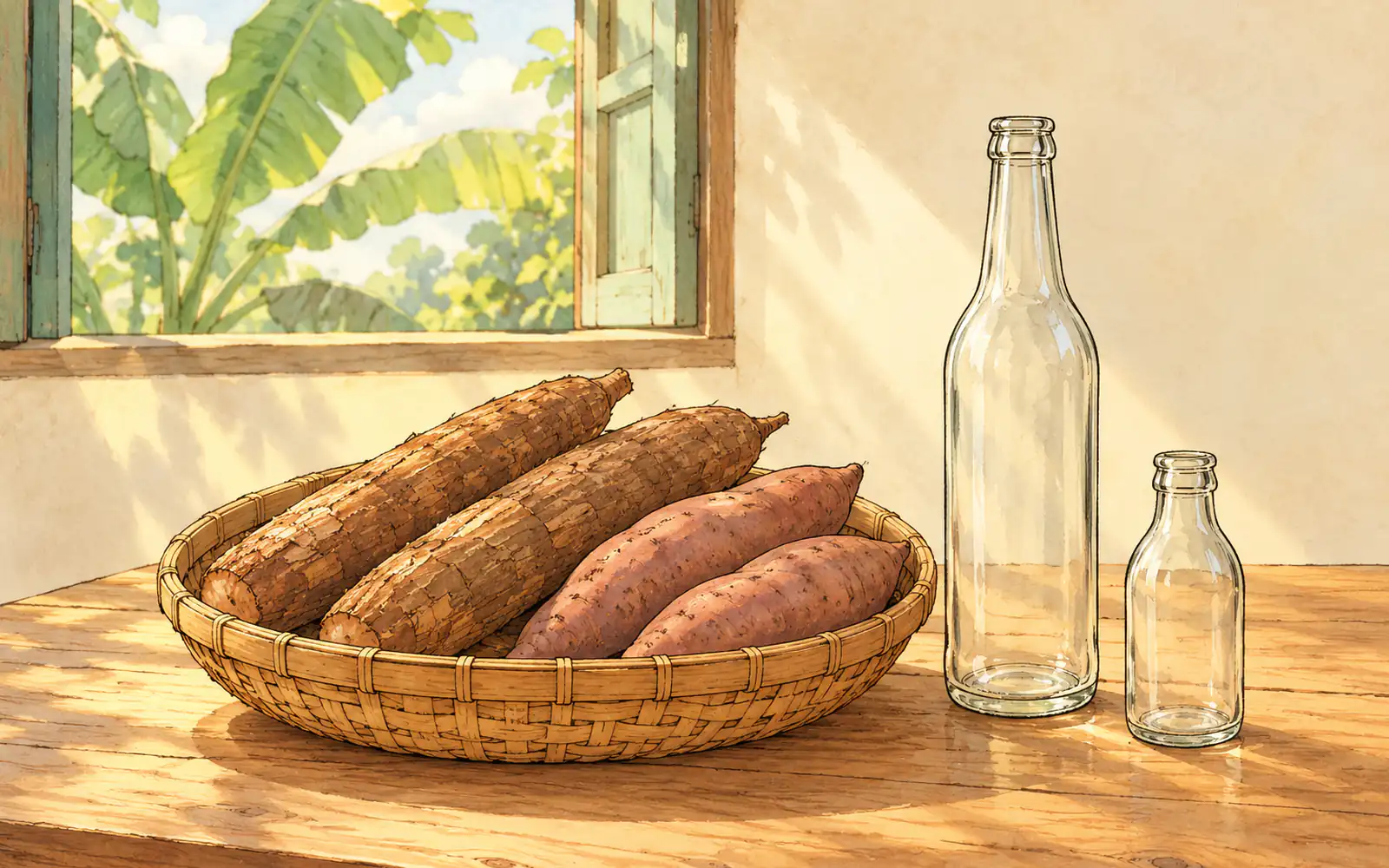
In casual Vietnamese money slang, one củ (tuber) or one chai (bottle) means 1,000,000 đồng, one xị (quarter-liter bottle) means 100,000 đồng, one vé (ticket) refers to a 100 US dollar note, and K stands for 1,000. For polite, everyday conversations across Vietnam, learners should rely on the standard number units chục, trăm, nghìn or ngàn, triệu, and tỉ.
In casual Vietnamese money slang, one củ or one chai means one million đồng (một triệu đồng), one xị means 100,000 đồng, one vé means a 100 US dollar note, and K stands for 1,000. For clear counting anywhere in Vietnam, speakers combine numbers with the plain units chục, trăm, nghìn or ngàn, triệu, and tỉ.
| Slang word | What it means as a sum of money | Where you hear it | How sure the source is |
|---|---|---|---|
| củ (tuber) | 1,000,000 đồng (một triệu đồng) | Casual speech and headlines; no regional label | Documented in press; dictionaries list the botanical sense; slang origin unverified |
| chai (bottle) | 1,000,000 đồng (một triệu đồng) | Casual speech and buying/selling; no regional label | Documented in Vietnamese press reports on slang |
| xị (quarter-liter bottle) | 100,000 đồng (một trăm nghìn / ngàn đồng) | Casual speech; literal bottle noun marked Southern (Nam Bộ) | Money sense in press; bottle sense in dictionaries; xá xị origin is a theory |
| vé (ticket) | A 100 US dollar note (tờ một trăm dollar Mĩ) | Colloquial speech (khẩu ngữ); no regional label | Documented in colloquial dictionaries; origin unverified |
| K (shorthand) | 1,000 đồng (replaces nghìn or ngàn) | Informal writing | Widely reported in press as non-standard shorthand and slang |
What Each Vietnamese Money Slang Word Means and Where It Comes From
Casual Vietnamese replaces standard number units with everyday nouns for an informal tone.
Củ: one million đồng
Standard dictionaries define củ strictly as a swollen underground or ground-level plant stem, root, or tuber that stores nutrients, without listing a money sense. In contemporary slang, one củ means one million đồng (triệu đồng): a 2026 Tuổi Trẻ Cười headline uses lương 5 'củ' for a monthly income of five million đồng (lương 5 triệu đồng). Reference works do not record how the tuber word came to mean one million or restrict củ by region.
Chai and xị: one million đồng and 100,000 đồng
As documented in Tuổi Trẻ Online's guide to Vietnamese slang, one chai ("bottle") equals one million đồng (1 triệu đồng) in everyday buying and selling, while xị equals 100,000 đồng. In Hoàng Phê's Từ điển tiếng Việt (2003), xị is a regional noun (ph.) for a small bottle holding about one-quarter of a liter, and Huỳnh Công Tín's Từ điển Từ ngữ Nam Bộ (2007) records it as a Southern (Nam Bộ) noun for a quarter-liter volume or alcohol bottle commonly used to measure rice wine.
The bottle origin of xị is a theory: according to a theory cited from Lê Ngọc Trụ in Tuổi Trẻ Online, xị shortens xá xị based on the accepted volume of a xá xị bottle and was absent as a volume unit in Huỳnh Tịnh Paulus Của's 1895 dictionary. Another published account proposes that xá xị came from the name of a drink and that một chai xá xị rượu was shortened to một xị rượu; this remains an etymological theory.
Vé, K, and unverified slang claims
In colloquial speech (khẩu ngữ), one vé ("ticket") means a 100 US dollar bill (tờ một trăm dollar Mĩ), with no documented origin or regional label. For thousands, Tuổi Trẻ Online notes that K is widely used as non-standard shorthand and slang (tiếng lóng, vừa nói tắt, phi chuẩn) replacing nghìn (1,000). The sources we checked do not tie củ, chai or vé to one region. See Vietnamese slang by region for verified regional terms.

How to Count Vietnamese Money with Plain Number Words
Plain number words are the foundation learners need first. After learning the base digits in Vietnamese numbers from 1 to 100, use the units in the table below. Both nghìn and ngàn mean ten hundreds (mười trăm, 1,000) or figuratively an unspecified very large quantity, and both are understood nationwide without either being the sole form in a region. Huỳnh Công Tín (2007) records ngàn as the standard Southern (Nam Bộ) word for 1,000 alongside Sino-Vietnamese thiên. As reported in Báo Sài Gòn Giải Phóng (2005), both are Nôm words: Huỳnh Tịnh Paulus Của treats nghìn as a phonetic variant (nói trại) of ngàn, while another historical theory attributes the shift to a naming taboo (cử húy) on Lord Nguyễn Phúc Thái's personal name.
| Plain unit | Value | Dictionary definition | Usage notes |
|---|---|---|---|
| chục | 10 | Ten units (mười đơn vị) | Round tens (hai chục = 20) |
| trăm | 100 | Ten tens (mười chục) | Bạc trăm: sums in hundreds |
| nghìn / ngàn | 1,000 | Ten hundreds (mười trăm) | Both understood nationwide; ngàn (and thiên) recorded in the South |
| vạn (muôn) | 10,000 | Ten thousand (mười nghìn) | Standard unit for 10,000 |
| triệu | 1,000,000 | One hundred vạn (một trăm vạn) | Bạc triệu: sums in millions |
| tỉ (tỷ) | 1,000,000,000 | One thousand million (một nghìn triệu) | Bạc tỉ: sums in billions |
How Vietnamese Number Words Combine in Everyday Speech
The digit comes directly before the unit. In plain speech, 100,000 đồng is một trăm nghìn đồng (N) or một trăm ngàn đồng (S). In slang, trăm nghìn đồng / trăm ngàn đồng becomes xị, and triệu đồng becomes chai or củ (without đồng). Spoken Vietnamese also shortens compound numbers: dictionaries record trăm hai as the spoken shortening (nói tắt) of một trăm hai mươi (120).
These short example sentences use each word without naming goods:
- Củ: Cụm "lương 5 củ" nghĩa là lương 5 triệu đồng. ("Lương 5 củ" means a monthly income of five million đồng.)
- Chai: Trong tiếng lóng, một chai là một triệu đồng. (In slang, "một chai" is one million đồng.)
- Xị (N / S): Một xị bằng một trăm nghìn đồng (N) / một trăm ngàn đồng (S). ("Một xị" equals 100,000 đồng.)
- Vé: Trong khẩu ngữ, một vé chỉ tờ một trăm đô la Mỹ. (In colloquial speech, "một vé" means a 100 US dollar note.)
- K (N / S): Khi nhắn tin, người ta viết 50K thay cho năm mươi nghìn (N) / năm mươi ngàn (S). (When texting, people write "50K" for 50,000.)
- Trăm hai: Khi nói nhanh, một trăm hai mươi rút gọn thành trăm hai. (In fast speech, 120 shortens to "trăm hai.")
How to Ask Someone to Repeat a Number Politely in Northern and Southern Vietnamese
Northern and Southern speakers generally understand each other, though catching spoken numbers takes practice across Northern and Southern Vietnamese. Standard spelling has six written tone categories: five marks plus the unmarked tone. Hà Nội speech distinguishes all six spoken tones via pitch and voice quality, including dipping or creaky hỏi in củ and tỉ, and a low, short, constricted nặng in một, chục, vạn, triệu, and xị, as documented in Kirby's description of Hà Nội Vietnamese. Sài Gòn speech merges hỏi and ngã into a single dipping-rising contour and gives nặng a smoother low dip. Northern speech also keeps final -n and -t distinct from -ng and -c, whereas Southern speech merges them after certain vowels.
To ask someone to repeat a number politely, pair a pronoun from Vietnamese kinship address terms (anh, chị, cô, chú) with polite softeners: dạ is the everyday polite opener in the South and is heard in the North too, where vâng and a closing ạ are common, alongside Northern nhé and Southern final nha.
| Situation | Northern (Hà Nội) | Southern (Sài Gòn) |
|---|---|---|
| Repeat that number | Em xin lỗi, anh/chị nhắc lại số đó giúp em ạ. | Dạ, anh/chị nói lại số đó giùm em nha. |
| Speak more slowly | Anh nói chậm lại một chút được không ạ? | Anh nói chậm lại chút giùm em nha. |
| Ask the number again | Dạ, bao nhiêu thế ạ? | Dạ, nhiêu vậy anh/chị? |
| Thousand or million? | Ý anh/chị là nghìn hay triệu ạ? | Dạ, ý anh/chị là ngàn hay triệu vậy? |

When a Learner Should Simply Use the Plain Number
Words like củ, chai, xị, and vé are casual slang, and K is non-standard (phi chuẩn). Treat money slang as a listening and reading skill, and use plain units—chục, trăm, nghìn or ngàn, triệu, and tỉ—when speaking in offices, banks, formal settings, or with elders and strangers.
Key Takeaways
- One củ or chai means 1,000,000 đồng, one xị means 100,000 đồng, one vé means a 100 US dollar note, and K is shorthand for 1,000.
- Dictionaries mark xị (quarter-liter bottle) and ngàn (1,000) as Southern (Nam Bộ) words; củ, chai, and vé have no regional label.
- Tracing xị to xá xị bottles is a linguistic theory (Lê Ngọc Trụ), and linking nghìn to a naming taboo on ngàn is a historical theory alongside phonetic variation.
- Plain units—chục, trăm, nghìn / ngàn, vạn, triệu, and tỉ—are polite and understood nationwide.
Learn Everyday Numbers and Natural Speech with Vietlingo
Curiosity about words like củ, chai, and xị is a great reason to start learning spoken Vietnamese. For Sài Gòn speech, begin with Everyday Southern Vietnamese, Level 00, an interactive textbook course following Ben, an Australian in Sài Gòn, through the tones, Southern final consonants, greetings, numbers 0 to 10, and asking someone to repeat or speak slowly, or watch Slow Vietnamese 01 - Southern.
For Hà Nội speech, explore Everyday Northern Vietnamese, Level 01 (in Beta, still being tested while parts like audio are being added), following Lucia, an Italian ceramic conservator in Hà Nội, through workplace introductions with anh, chị, em, and bác, telling the time, and everyday conversations, or watch Slow Vietnamese 01 - Northern. To practice live, browse tutors or book a trial lesson.
Frequently Asked Questions
What do củ, chai, and xị mean in Vietnamese money slang?
In casual Vietnamese money slang, củ (tuber) and chai (bottle) mean one million đồng (một triệu đồng), while xị (quarter-liter bottle) means 100,000 đồng (một trăm nghìn or một trăm ngàn đồng).
Where does the Southern Vietnamese word xị come from?
Southern (Nam Bộ) dictionaries define xị as a quarter-liter volume or small alcohol bottle; one theory attributed to Lê Ngọc Trụ says xị is shortened from xá xị, and another account says một chai xá xị rượu was shortened to một xị rượu.
What is the difference between nghìn and ngàn in Vietnamese?
Both nghìn and ngàn are Nôm words meaning 1,000 understood across Vietnam, with ngàn documented in dialect dictionaries as the standard Southern (Nam Bộ) form.
What does the letter K mean after a number in Vietnamese?
In informal Vietnamese writing, K is a non-standard shorthand abbreviation replacing nghìn or ngàn (1,000), so 50K stands for 50,000 đồng.
Should Vietnamese learners use money slang like củ and xị?
Learners should recognize củ, chai, xị, vé, and K in headlines or casual talk, but use plain units like trăm, nghìn or ngàn, and triệu when speaking.




Comments (0)
A new word, a question, or a different perspective? Share it with fellow learners.
Be the first to comment.